
Litter Is Costing Us Billions
Litter isn’t just ugly. It’s expensive.
Every bottle, wrapper, and cigarette butt left behind creates another cost, street sweeping, storm drain cleaning, manual cleanup, equipment, waste hauling, disposal, environmental remediation, and more.
The United States spends approximately $11.5 billion every year cleaning up litter.
California spends an estimated $400–$500 million annually.
And businesses absorb approximately 80% of litter-related cleanup costs, which ultimately contributes to the cost of the goods and services we buy.
What Else Could We Do With That Money?
Every dollar spent cleaning up preventable litter is a dollar that cannot be invested somewhere else.
Those resources could instead support:
- Housing and lower development costs
- Childcare and after-school programs
- Public safety and emergency preparedness
- Streets, sidewalks and infrastructure
- Parks and recreation
- Career training and workforce development
- Lower costs for residents and businesses
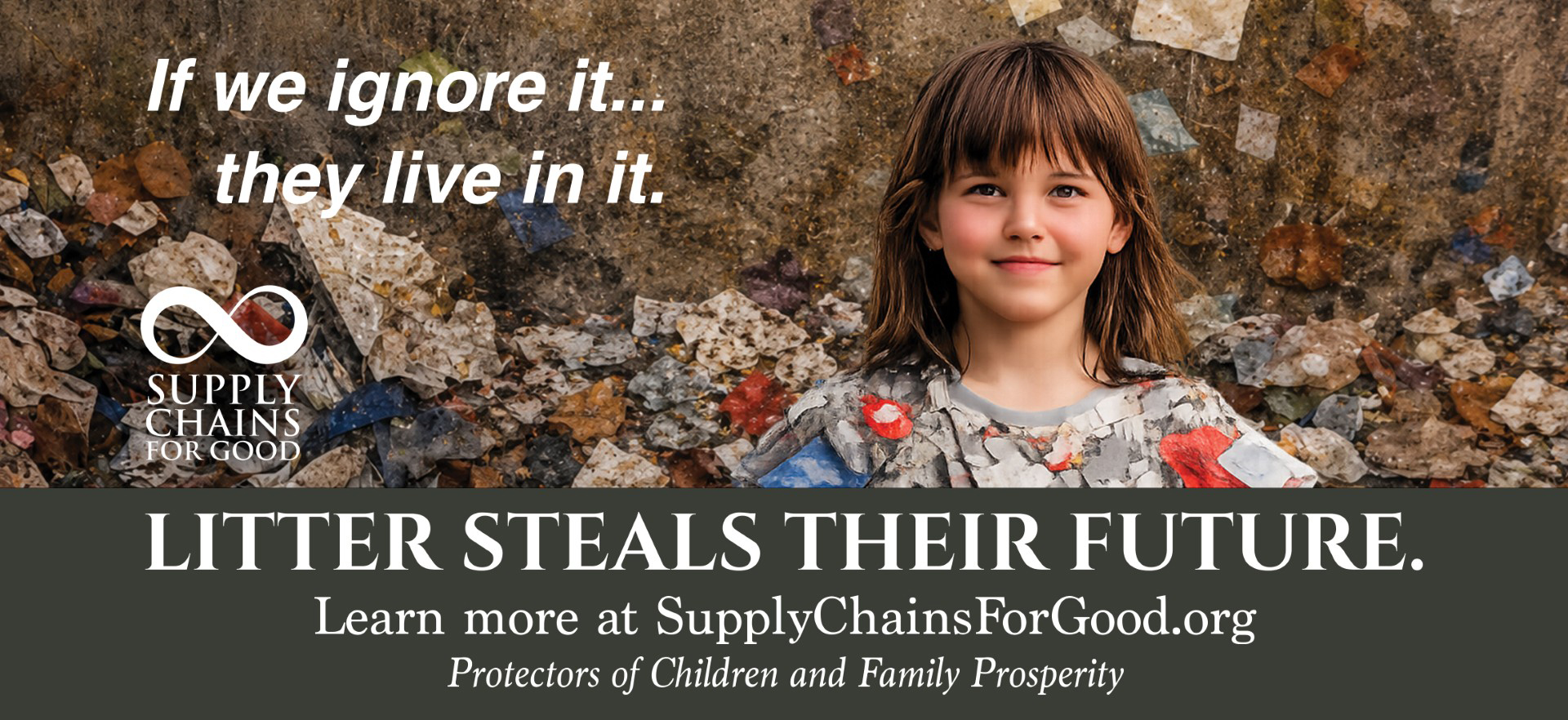
Litter steals their future because it steals the resources communities need to build it.
Before We Spend More, Let’s Enforce What We Already Have
Many communities already have codes requiring property owners and businesses to keep their properties free of litter and debris.
The problem isn’t always the absence of another law or another government program.
Sometimes we simply need to use the tools we already have.
Litter Steals Their Future encourages communities to combine three things:
Education + Enforcement + Community Participation
Public education helps change behavior.
Consistent enforcement creates accountability.
Community participation reinforces the expectation that littering is simply not acceptable.
The objective isn’t to issue more citations.
The objective is to change behavior so fewer citations—and less taxpayer-funded cleanup—are necessary.
Let’s Measure What Works
We believe communities should be able to see whether an anti-litter effort is actually working.
A city can establish a defined pilot area, document existing conditions, increase education and enforcement for a limited period, and measure the results.
Did litter decline?
Did complaints decline?
Did cleanup costs decline?
Did businesses maintain their properties differently?
What gets measured can be improved.
Put the Message in Your Community
Co-Sponsor a “Litter Steals Their Future” Billboard
Government agencies, elected officials, and community partners can bring the campaign directly into their own communities by co-sponsoring a local billboard.
he co-sponsor selects and pays for the billboard location for a three-month campaign.
In return, the co-sponsor’s logo is incorporated into the billboard artwork in the lower-left corner, replacing the current Supply Chains for Good logo.
The central campaign message remains:
If we ignore it… they live in it.
The purpose isn’t simply to make our communities look better.
It is to help create a lasting change in behavior that reduces litter, protects the environment, lowers cleanup costs, and leaves more resources available for our children’s future.
Take the Message Beyond the Billboard
Billboards create broad public awareness. Yard signs allow cities, schools, businesses, neighborhood organizations, and residents to reinforce the same message throughout the community.
Together, education, visibility, community participation, and consistent enforcement can turn a three-month campaign into something much more valuable:
A lasting change in behavior.